Part 2 of 3: A Conversation with Dr. Jeanne Sternad
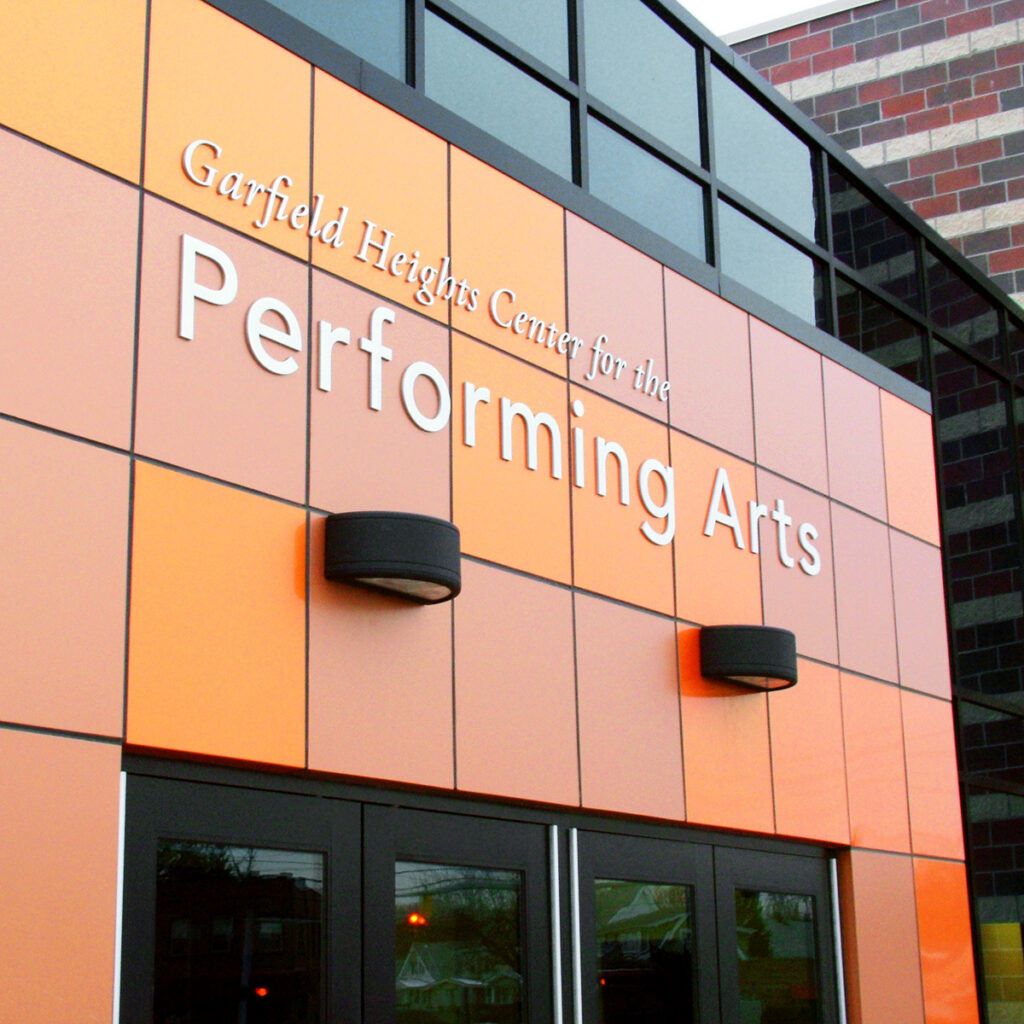
A few weeks ago, I shared the story behind the first identity I ever designed—one created for Garfield Heights City Schools more than thirty years ago that continues to serve the district today. Reflecting on that experience reminded me how much my understanding of branding has evolved throughout my career.
When people hear that a school identity has lasted for decades, the first questions are usually about the design itself. What made it work? Why didn’t it become dated? What made it stand the test of time?
School Branding Starts With Purpose, Not a Logo
They’re reasonable questions, but I don’t think they’re really questions about design. They’re questions about leadership and trust. Over the years, I’ve worked with schools, colleges, universities, nonprofits, and organizations of every size. While each engagement has been different, one pattern has emerged with remarkable consistency: the institutions with the strongest brands almost never begin by talking about logos. They begin by talking about purpose, knowing who they are, and understanding what they value. And perhaps most importantly, they have leaders who can articulate where the organization is going and why that direction matters.

Leadership and Trust Shape a Strong School Brand
In my interview with Dr. Jeanne Sternad, I was reminded of the vision, leadership, and foresight she brought to the district. That leadership shaped the work long before we ever discussed design.
By the time anyone begins exploring colors, typography, or visual identity, much of the most important branding work has already taken place. That’s because a brand isn’t something designers invent. It’s something leaders reveal. At TWIST, we collaborate with leaders to help them uncover it. The visual identity simply gives people a way to recognize it.
That distinction may sound subtle, but I think it’s one of the reasons branding efforts sometimes fall short. Organizations occasionally hope that a new identity will create momentum or solve larger communication challenges. While thoughtful design can certainly help express change, it can’t create direction where direction doesn’t already exist. The strongest brands grow out of conviction. The visual system simply makes that conviction visible.
Why School Branding Matters for K-12 Schools and Goes Beyond a Logo
Education offers a particularly interesting example because schools rarely compete on logos alone. Families don’t choose a school because one crest is more contemporary than another or because one color palette feels more current. They choose schools because they believe in what those schools represent. They want to understand the experience their children will have, the values the institution embodies, and the community they are joining. A visual identity supports those perceptions.
“I’ve also come to appreciate that one of the greatest assets many schools possess is something they occasionally underestimate: their own history.”
Connie Ozan, Co-Founder & Chief Creative Officer of TWIST Creative

Balancing Tradition and Change in School Branding
When conversations turn to rebranding, there’s often understandable concern about preserving tradition. Alumni care deeply about the institutions that shaped them. Faculty and staff carry years of shared experience. Communities become attached to mascots, symbols, and stories that represent generations of memories.
As Jeanne Sternad reflected on our experience working together, she described the reaction in Garfield Heights. “There were reservations at first because some people feared the Bulldog might get lost. What wasn’t always understood was that we weren’t changing the Bulldog. It remained the school’s mascot and athletic mark. We were creating a broader visual identity that could represent the school beyond athletics. The Bulldog carried real emotional meaning for the community. Through the process, people began to understand where each symbol belonged and what role it played. That distinction allowed us to be thoughtful about tradition rather than simply remove it.”
“A sense of trust hadn’t been built yet…the community became more confident and more trusting that we would not be disturbing some of their long-held traditions. That only takes time.”
Dr. Jeanne Sternad, former Superintendent of Garfield Heights City Schools
Listen in on the conversation.
Build on Your School’s History and Legacy
The emotional connection a community has with its traditions is one of the greatest strengths a school has. The challenge isn’t deciding whether to honor the past or embrace the future. It’s finding thoughtful ways to do both at the same time. The most successful educational brands don’t erase history in pursuit of something new. They build upon it. They acknowledge what people already love while providing a clear sense of where the institution is headed next.
I’ve never believed that brand standards exist simply to enforce consistency for consistency’s sake. Their real purpose is much more meaningful than that. Every brochure, website, presentation, social media post, campus banner, admissions packet, and fundraising appeal quietly communicates something about the institution behind it. When those experiences consistently reinforce one another, people begin to feel confident that the organization knows itself.
The Role of Community in School Branding
Of course, consistency alone isn’t enough. The strongest identities are rarely created in isolation, and they certainly aren’t imposed on communities from the outside. The most successful branding projects I’ve been fortunate to be part of have always begun with listening — really listening — to the people who know an institution best. Students experience a school differently than faculty. Faculty see things differently than alumni. Parents notice different strengths than board members.
“Discovery has always been my favorite part of the process. It’s where organizations stop talking about what they hope people think of them and begin discovering how they’re genuinely experienced.”
Connie Ozan, Co-Founder & Chief Creative Officer of TWIST Creative
Those conversations almost always uncover insights no one expected, and they frequently become the foundation for the most meaningful creative work that follows. When people recognize pieces of themselves in a new identity, they’re far more likely to embrace it — not because they were persuaded to do so, but because they helped shape the story it tells.
Looking back, I think that’s one of the reasons the Garfield Heights identity continues to resonate after more than three decades. It wasn’t designed simply to look different. It was designed to express something the community already believed was possible.
That’s the distinction I find myself returning to again and again. Design may capture attention for a moment. A thoughtful brand can create recognition for years. But trust is earned patiently through leadership, consistency, listening, and shared purpose. That trust is what allows an identity to become part of an institution’s legacy.
An enduring school brand helps a community recognize what it values while giving it confidence in what comes next.



About the Author
Connie Ozan is Co-Founder & Chief Creative Officer at TWIST Creative. A nationally recognized designer and educator, she’s led more than 200 award-winning brand campaigns for schools, nonprofits, and businesses—blending timeless design with strategic insight to help clients shine.
