Part 3 of 3: A Conversation with Dr. Jeanne Sternad
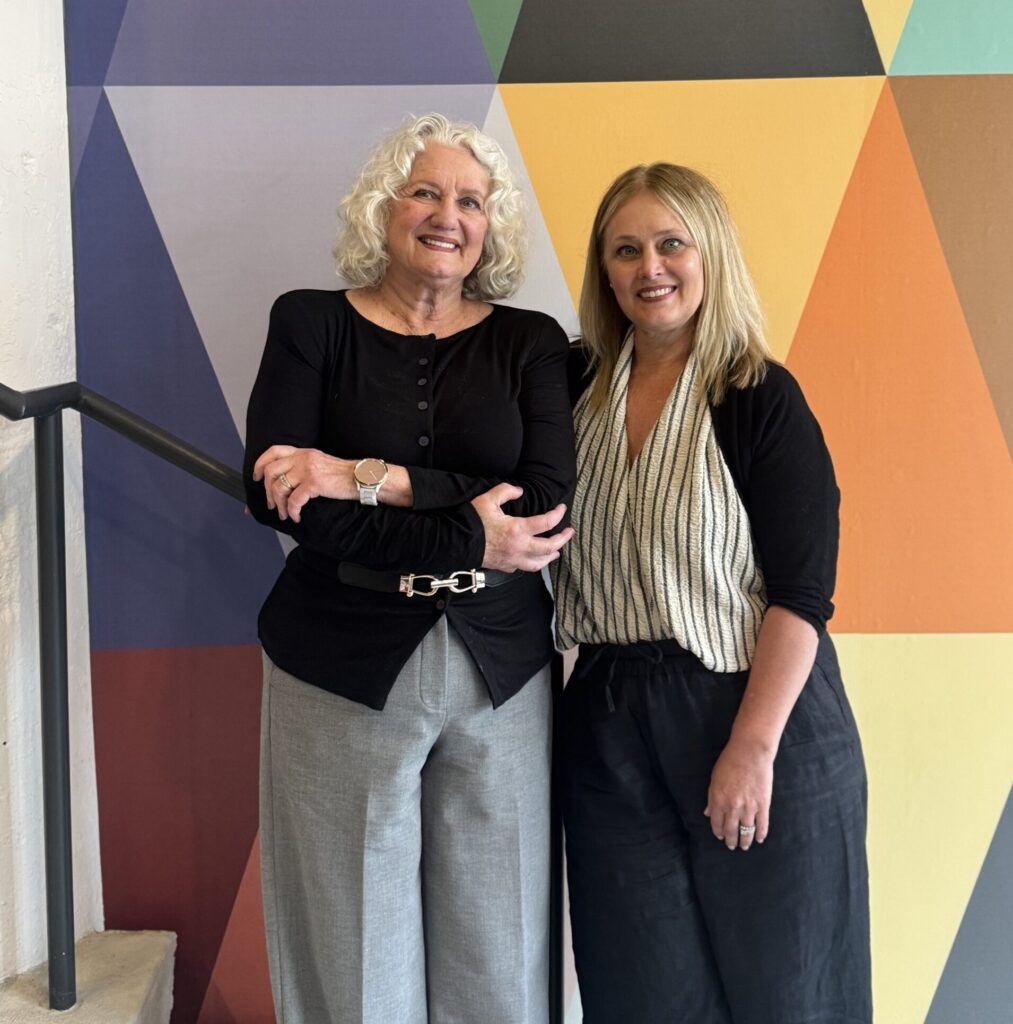
There are certain conversations that stay with you long after they’ve ended. Not because of a particular quote or memorable story, but because they quietly reshape the way you think about something you’ve experienced many times before. That’s what happened after I sat down with my aunt, Dr. Jeanne Sternad, former Superintendent of Garfield Heights City Schools, to reflect on a branding project we worked on together more than thirty years ago. We spent part of our conversation talking about the district’s visual identity, but the observation that has lingered with me ever since had little to do with logos. It had everything to do with people.
As Jeanne recalled those early conversations with the community, she mentioned that one of the biggest concerns wasn’t whether the district needed a new identity. People were worried that the beloved Bulldog mascot might disappear. At first glance, that sounds like resistance to change. Today, I see it differently. It wasn’t resistance. It was protection. People weren’t rejecting the future. They were protecting something that connected them to their past. That distinction may seem small, but I think it changes the way leaders’ approach almost every significant transition.
We Often Misunderstand
Throughout my career, I’ve watched organizations navigate strategic plans, leadership changes, capital campaigns, mergers, enrollment challenges, rebranding efforts, and moments of tremendous growth. Regardless of the circumstances, one pattern has appeared again and again: when people feel anxious about change, they’re rarely reacting only to the decision itself. They’re asking quieter questions:
- Will this still feel like the place I love?
- Will the things that matter to me still matter here?
- Will anyone understand what I’m afraid of losing?
Change Is About More Than Strategy
Those questions aren’t really about strategy. They’re about identity, belonging, and trust. Perhaps that’s why I’ve become increasingly convinced that one of the most important responsibilities of leadership isn’t simply making decisions. It’s understanding what those decisions mean to the people who will experience them.
Every organization has traditions that carry meaning far beyond their practical purpose. Sometimes it’s a mascot. Sometimes it’s a longstanding event, a familiar building, a cherished academic program, or even the routines that define everyday life. To an outsider, those things may seem relatively small. To the people who have invested years or even generations in an institution, they can represent memories, relationships, and shared identity.
Listening Changes the Conversation
One of the things I admired most as Jeanne reflected on her years in Garfield Heights was how naturally listening seemed woven into her approach. She didn’t describe community engagement as a communications strategy or a procedural requirement. She described it as part of leadership itself. That perspective resonates with me because I’ve seen the same principle play out throughout my own career.
When leaders begin by acknowledging what people value instead of immediately explaining why change is necessary, the conversation shifts. People may still disagree with a decision, but they no longer feel as though the things they care about have been overlooked or minimized. Respect creates space for dialogue. Dialogue creates understanding. And understanding, over time, creates trust.
The most successful branding projects I’ve been part of didn’t begin with creative presentations. They began with conversations. The strongest strategic plans didn’t emerge because someone had all the answers. They emerged because people were willing to ask thoughtful questions and genuinely consider what they heard in return. Listening has a way of changing more than the outcome. It changes the people involved in creating it.
Listen in on the Conversation
Leadership Doesn’t Have to Be Persuasive
People don’t expect leaders to have every answer. They do expect them to communicate honestly, listen carefully, and act consistently. That doesn’t mean every idea needs consensus. It doesn’t mean every tradition should remain. And it certainly doesn’t mean leaders should avoid difficult decisions. It means people deserve to understand what is changing, why it is changing, and what will continue to matter.
Sometimes, the most important thing a leader can communicate is simply: I understand why this matters to you.
When people believe their perspective has been taken seriously, they are often much more willing to navigate uncertainty, even when the outcome isn’t exactly what they would have chosen. That’s different from convincing everyone. It’s building trust.
Meaningful Change Starts With Listening
As our conversation came to a close, I realized the most memorable part of the Garfield Heights story wasn’t the identity itself. It was the care that surrounded it: the conversations, the listening, the willingness to acknowledge concerns instead of dismissing them, and the respect shown to traditions while creating space for something new. Those qualities had very little to do with graphic design. They had everything to do with leadership.
Give People a Place in What Comes Next
After more than thirty years working alongside schools, universities, nonprofits, and mission-driven organizations, I’ve become convinced that the leaders who navigate change thoughtfully understand something important: people don’t want to feel that change is happening to them. They want to feel that they have a place in what comes next.
Perhaps that’s why the Garfield Heights story has stayed with me for so many years. The logo was never the most important part of it. The conversations were. They reminded me that meaningful change doesn’t begin when leaders announce a new direction. It begins when people believe their history has been heard, their concerns have been respected, and their voices still have a place in the story that’s being written next.
Listen in on the Conversation
A Lesson in Leadership From Jeanne Sternad
On a personal note, I continue to be inspired by my aunt, Jeanne Sternad. Not simply because she’s family (my mother’s sister) but because she has been a mentor to me throughout my career. I’ve always admired her creativity, thoughtfulness, and the way she approaches every project and situation with intention. Even now, as we navigate planning Thanksgiving dinner together.
Leading Through Genuine Human Connection
Jeanne was superintendent of two school systems, Garfield Heights City Schools and Brunswick City Schools, at a time when leadership looked very different. She believed in meeting people where they were, whether that meant sitting down with a teacher, an administrator, a crossing guard, or someone working in the cafeteria. It meant face-to-face conversations, genuine human connection, and taking the time to write a handwritten note to a colleague, friend, or family member simply because it mattered.
Those values have stayed with me. They influence how I show up for my colleagues, our clients, and the work we do together. And perhaps that is one of the greatest lessons she has given me.
Leadership isn’t only about the decisions you make. It’s about how you make people feel along the way.


About the Author
Connie Ozan is Co-Founder & Chief Creative Officer at TWIST Creative. A nationally recognized designer and educator, she’s led more than 200 award-winning brand campaigns for schools, nonprofits, and businesses—blending timeless design with strategic insight to help clients shine.
